
GPT Image 2.5 Image Generator and Editor
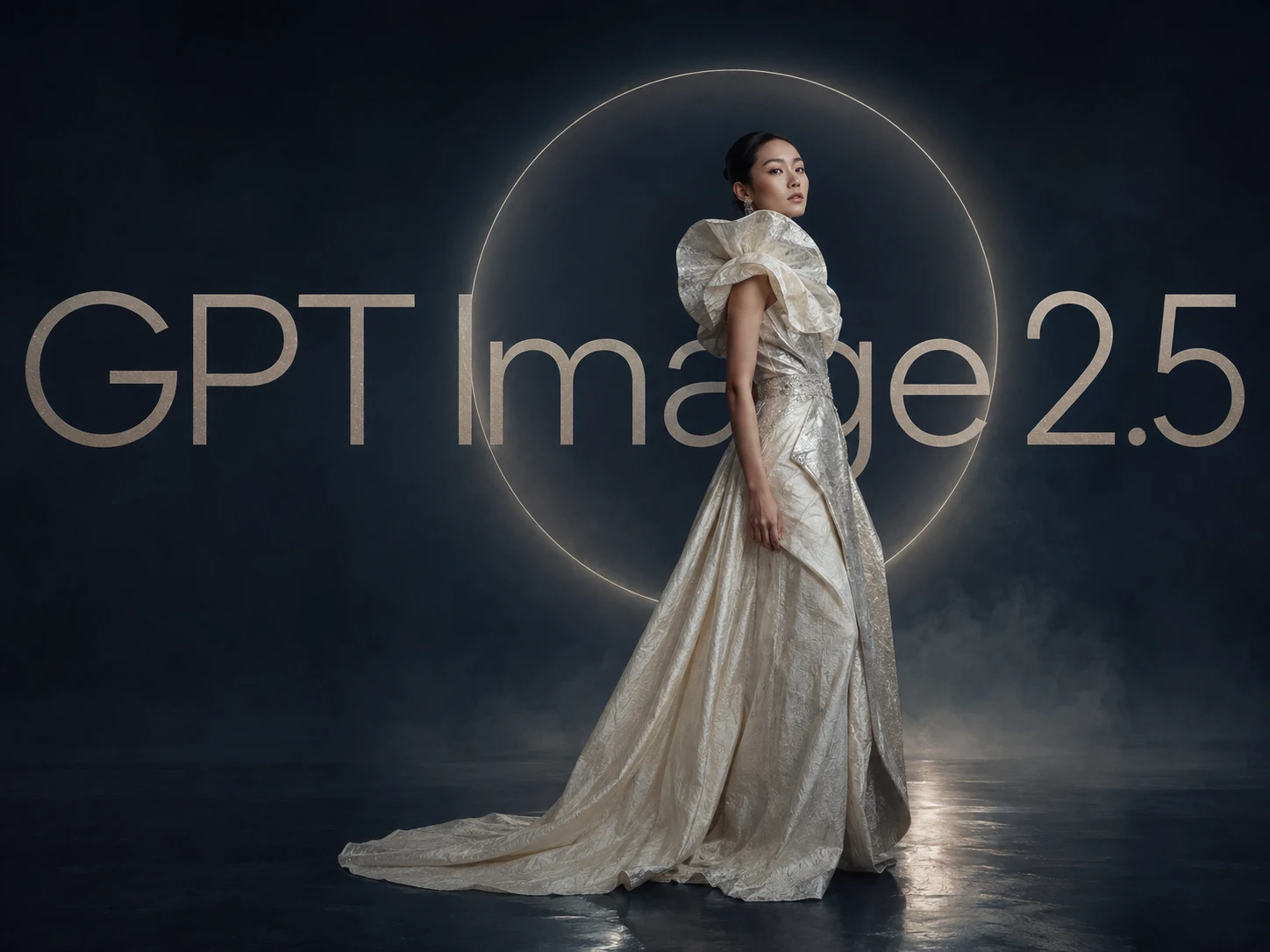
Experience GPT Image 2.5 on Image AI: create clear, readable multilingual text, blend local edits naturally into the original scene, and render more realistic skin and fabric details.
How to Use GPT Image 2.5
Describe the Scene or Upload a Reference
Write the exact scene, lighting, object relationships, materials, and visible text you want. Upload a reference image when you need to revise an existing visual or preserve a subject.
Generate a Complete Composition
Choose the available image model and output settings, then generate the scene. Review typography, subject placement, shadows, reflections, and fine boundaries together.
Refine Specific Details and Download
Adjust the prompt to change wording, lighting, background, or a selected object. Compare unchanged areas after each revision, then download the result you want to keep.
Why Create with GPT Image 2.5
Create practical marketing and product visuals with text that stays readable, edits that fit the original scene, and textures that feel less artificially smooth.
Readable Text, Even at Small Sizes
Generate headlines, body copy, infographic numbers, and multilingual labels as readable parts of the composition. Even in information-dense layouts, clearer text can reduce spelling corrections and manual reformatting when creating bilingual posters, menus, labels, and social graphics.
Edits That Respect Light and Depth
Revise backgrounds or selected objects while accounting for the original lighting, shadows, reflections, color balance, and spatial depth. Added content blends more naturally into the scene, while subject poses and visual features remain easier to preserve across revisions.
Less Artificially Smooth Texture
Preserve details such as fabric weave, skin texture, fine surface marks, water, steam, and haze. More layered highlights and shadows help portraits and product images feel closer to real photography, including backlit and low-light scenes.
Who Uses Image AI?
E-Commerce Sellers
Turn simple ideas into product shots, lifestyle scenes, packaging concepts, catalog images, and trend-inspired visuals. Create and refine commercial images with natural-language instructions—without complex editing software or a full studio setup.
Marketing Teams
Create AI characters, campaign infographics, carousel slides, launch graphics, banners, advertisements, and social posts with clearer text. Compare results, refine layouts, and maintain a consistent marketing identity.
Brand Designers
Refine characters, scenes, moodboards, ad concepts, typography layouts, and visual systems through multiple iterations. Keep faces, outfits, art direction, and campaign styles consistent across creative projects.
FAQs About GPT Image 2.5
Answers about GPT Image 2.5, its improvements over GPT Image 2, image editing, text rendering, and creating visuals on Image AI.
Create Detailed Visuals with GPT Image 2.5
Turn your prompt or reference image into polished visuals with clearer text, scene-aware edits, and natural textures. Sign up for Image AI and use trial credits to begin.